
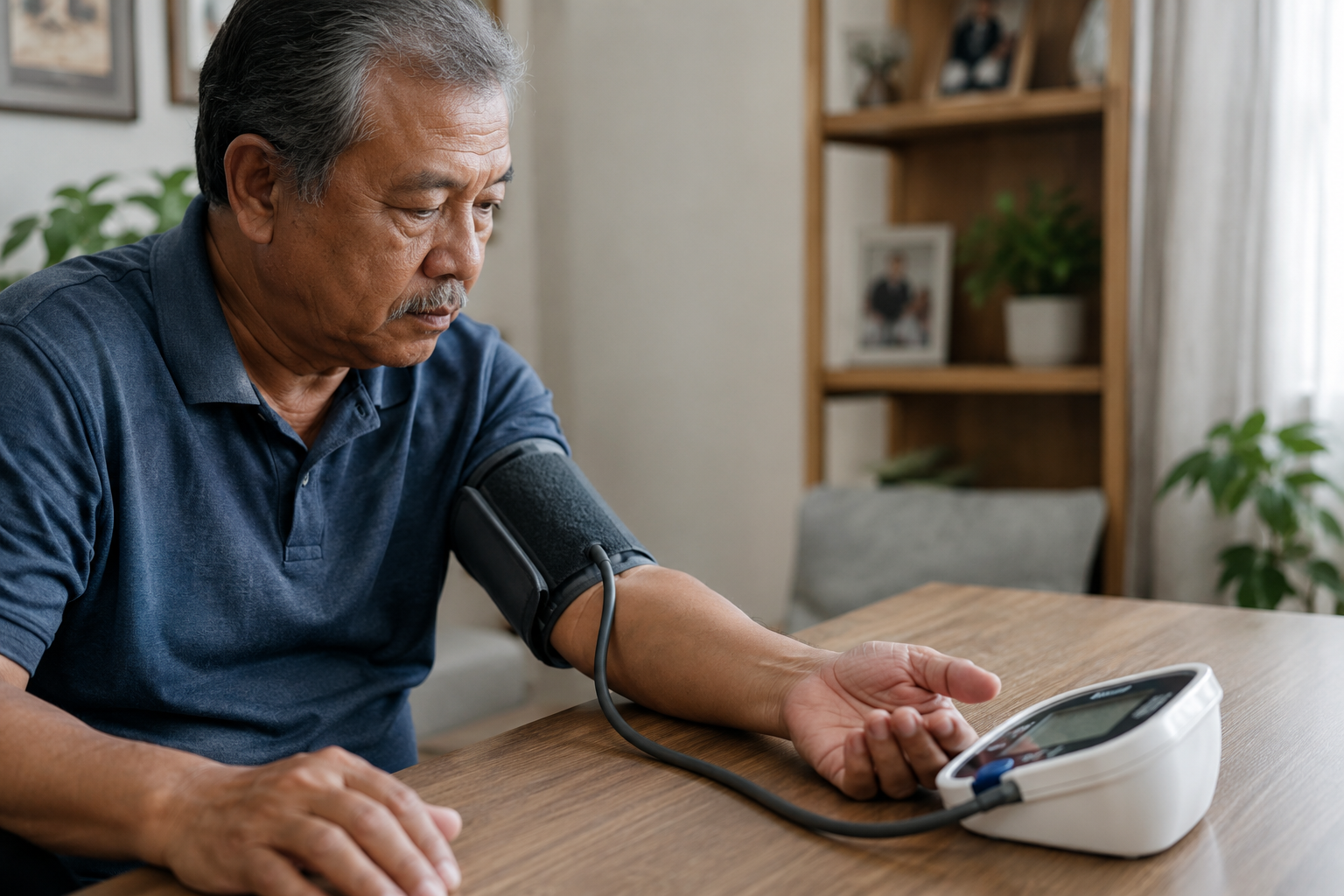
High Blood Pressure Management to Protect Your Heart and Long-Term Health
High blood pressure, also known as hypertension, is one of the most common chronic health conditions affecting adults. Often called the “silent killer,” hypertension frequently develops without noticeable symptoms, yet it can significantly increase your risk of heart disease, stroke, kidney disease, and other serious health complications. The good news is that with early detection, regular monitoring, and personalized treatment, high blood pressure can often be effectively managed.
At Wellbridge Health Center, we provide comprehensive hypertension management designed to help patients lower their blood pressure, reduce cardiovascular risk, and improve their overall health. Whether you’ve recently been diagnosed with hypertension, have a family history of heart disease, or are struggling to keep your blood pressure under control, our experienced providers will work with you to develop a treatment plan that fits your lifestyle and health goals.
Our focus is on helping you achieve healthier blood pressure while preventing long-term complications through proactive, evidence-based care.
What Is High Blood Pressure?
Blood pressure measures the force of blood pushing against the walls of your arteries as your heart pumps. While blood pressure naturally rises and falls throughout the day, consistently elevated readings can place extra strain on your heart and blood vessels.
Over time, uncontrolled hypertension can damage the arteries, heart, brain, kidneys, and eyes, often without causing any warning signs.
Because hypertension rarely causes symptoms in its early stages, routine blood pressure screenings are one of the most important aspects of preventive healthcare.
Why Managing High Blood Pressure Matters
When left untreated, hypertension increases the risk of several serious medical conditions, including:
- Heart attack
- Stroke
- Heart failure
- Kidney disease
- Vision loss
- Peripheral artery disease
- Cognitive decline
- Aortic aneurysm
Managing blood pressure helps reduce these risks while supporting overall cardiovascular health and improving long-term quality of life.
What Causes High Blood Pressure?
There isn’t always a single cause of hypertension. In many cases, several factors contribute to elevated blood pressure over time.
Common risk factors include:
- Family history of hypertension
- Increasing age
- Excess body weight
- Physical inactivity
- High sodium intake
- Tobacco use
- Excessive alcohol consumption
- Diabetes
- High cholesterol
- Chronic kidney disease
- Chronic stress
While some risk factors cannot be changed, many can be improved through healthy lifestyle modifications and appropriate medical treatment.
Symptoms of High Blood Pressure
Most people with hypertension feel completely normal, even when their blood pressure reaches dangerously high levels.
Because symptoms are often absent, many individuals don’t realize they have high blood pressure until it’s detected during a routine medical visit.
This is why regular blood pressure monitoring is so important.
In rare cases, severely elevated blood pressure may cause symptoms such as:
- Severe headaches
- Blurred vision
- Shortness of breath
- Chest pain
- Dizziness
- Nosebleeds
If you experience severe chest pain, stroke symptoms, difficulty breathing, or other signs of a medical emergency, seek immediate emergency medical care.
Diagnosing Hypertension
Diagnosing hypertension involves more than a single elevated reading. Your provider will evaluate multiple blood pressure measurements, your medical history, and other health factors before making a diagnosis.
Your evaluation may include:
Blood Pressure Measurements
Blood pressure is typically checked during routine office visits. If readings are consistently elevated, your provider may recommend additional monitoring over time or home blood pressure tracking.
Medical History Review
We’ll discuss:
- Family history
- Current medications
- Lifestyle habits
- Existing medical conditions
- Previous blood pressure readings
Understanding your overall health helps us develop the most appropriate treatment plan.
Laboratory Testing
Blood tests and other evaluations may be recommended to assess your overall cardiovascular health and identify conditions that commonly occur alongside hypertension.
These may include:
- Kidney function testing
- Cholesterol screening
- Blood glucose or A1C testing
- Electrolyte levels
- Urinalysis
Personalized Treatment for High Blood Pressure
Managing hypertension requires an individualized approach. Our providers develop treatment plans based on your blood pressure readings, overall health, medical history, and risk factors.
Treatment may include:
- Lifestyle modifications
- Weight management
- Medication management
- Regular blood pressure monitoring
- Ongoing follow-up appointments
Our goal is to help you achieve healthy blood pressure while supporting your overall wellness.
Lifestyle Changes That Support Healthy Blood Pressure
For many patients, healthy lifestyle habits play a significant role in lowering blood pressure and reducing cardiovascular risk.
Eat a Heart-Healthy Diet
Choosing nutrient-rich foods can make a meaningful difference in blood pressure control.
We often recommend:
- Fruits and vegetables
- Whole grains
- Lean proteins
- Healthy fats
- Low-fat dairy products
- Reducing sodium intake
- Limiting highly processed foods
Small dietary improvements can lead to lasting health benefits.
Stay Physically Active
Regular exercise helps strengthen the heart and improve circulation.
Benefits of physical activity include:
- Lower blood pressure
- Improved cholesterol levels
- Better weight management
- Increased energy
- Reduced stress
Your provider can recommend an exercise plan that’s appropriate for your age, fitness level, and medical conditions.
Maintain a Healthy Weight
Even modest weight loss can improve blood pressure in many individuals.
Achieving and maintaining a healthy weight may also reduce your risk of:
- Type 2 diabetes
- Heart disease
- Sleep apnea
- High cholesterol
Our team provides practical guidance to help you develop sustainable, long-term habits.
Manage Stress
Chronic stress may contribute to elevated blood pressure in some individuals.
Healthy stress management strategies include:
- Regular physical activity
- Adequate sleep
- Mindfulness practices
- Relaxation techniques
- Spending time with family and friends
- Pursuing enjoyable hobbies
Your provider can discuss additional resources if stress is affecting your overall health.
Medication Management
Lifestyle changes are often combined with medication when needed to help maintain healthy blood pressure.
If medication is recommended, your provider will:
- Explain how the medication works
- Review possible side effects
- Monitor your response
- Adjust treatment if necessary
- Review other medications to avoid interactions
Taking medication exactly as prescribed is essential for maintaining consistent blood pressure control.
Monitoring Your Progress
Hypertension management is an ongoing process.
Routine follow-up appointments allow your provider to:
- Track blood pressure trends
- Review home blood pressure readings
- Evaluate medication effectiveness
- Monitor for side effects
- Adjust your treatment plan
- Address new health concerns
Regular monitoring helps keep your treatment on track while reducing your risk of complications.
Hypertension and Other Chronic Conditions
High blood pressure often occurs alongside other chronic health conditions.
Our providers take a comprehensive approach by managing hypertension in conjunction with:
- Diabetes
- High cholesterol
- Obesity
- Kidney disease
- Heart disease
Treating these conditions together supports better overall health and reduces cardiovascular risk.
Why Choose Wellbridge Health Center?
At Wellbridge Health Center, we believe effective hypertension management begins with understanding each patient’s unique health needs. We take the time to educate our patients, answer questions, and develop personalized treatment plans that support long-term success.
Our team emphasizes prevention, early intervention, and ongoing monitoring to help patients lower their blood pressure safely while improving their overall health.
Whether you’re newly diagnosed or have been living with hypertension for years, we’re committed to partnering with you every step of the way.
Frequently Asked Questions
Can high blood pressure be treated without medication?
Some patients are able to improve their blood pressure through healthy lifestyle changes such as weight loss, improved nutrition, regular exercise, reducing sodium intake, and stress management. Others benefit from medication in addition to lifestyle modifications.
How often should I check my blood pressure?
The appropriate frequency depends on your individual health and treatment plan. Your provider may recommend home monitoring if you’re being treated for hypertension or if elevated readings have been identified.
What foods help lower blood pressure?
A heart-healthy eating pattern that includes fruits, vegetables, whole grains, lean proteins, legumes, and low-fat dairy while limiting sodium and highly processed foods can support healthy blood pressure.
Does stress cause high blood pressure?
Stress can temporarily increase blood pressure and may contribute to long-term cardiovascular health when combined with other risk factors. Managing stress is an important part of overall wellness.
Why doesn’t high blood pressure cause symptoms?
Hypertension often develops gradually and may not produce noticeable symptoms until serious complications occur. This is why routine blood pressure screenings are essential.
Can controlling my blood pressure reduce my risk of heart disease?
Yes. Maintaining healthy blood pressure significantly lowers the risk of heart attack, stroke, heart failure, kidney disease, and other complications associated with hypertension.
Take Control of Your Blood Pressure Today
Managing high blood pressure is one of the most important steps you can take to protect your heart, brain, kidneys, and overall health. With regular monitoring, healthy lifestyle changes, and personalized medical care, hypertension can often be successfully controlled.
At Wellbridge Health Center, we’re dedicated to helping you achieve healthier blood pressure through compassionate, evidence-based care tailored to your individual needs. Schedule an appointment today and let our experienced team help you build a healthier future.