
High Cholesterol Management to Support Heart Health and Prevent Cardiovascular Disease
High cholesterol is one of the leading risk factors for heart disease and stroke, yet it often has no noticeable symptoms. Many people don’t realize their cholesterol levels are elevated until routine blood work reveals a problem. Fortunately, early detection, healthy lifestyle changes, and personalized medical care can significantly reduce your risk of cardiovascular disease and help you maintain better long-term health.
At Wellbridge Health Center, we provide comprehensive cholesterol management tailored to each patient’s individual health needs. Whether you’ve recently been diagnosed with high cholesterol, have a family history of heart disease, or want to lower your cardiovascular risk, our providers work with you to create a personalized treatment plan that supports your overall wellness.
Our goal is to help you achieve healthy cholesterol levels while protecting your heart, blood vessels, and overall quality of life.
What Is Cholesterol?
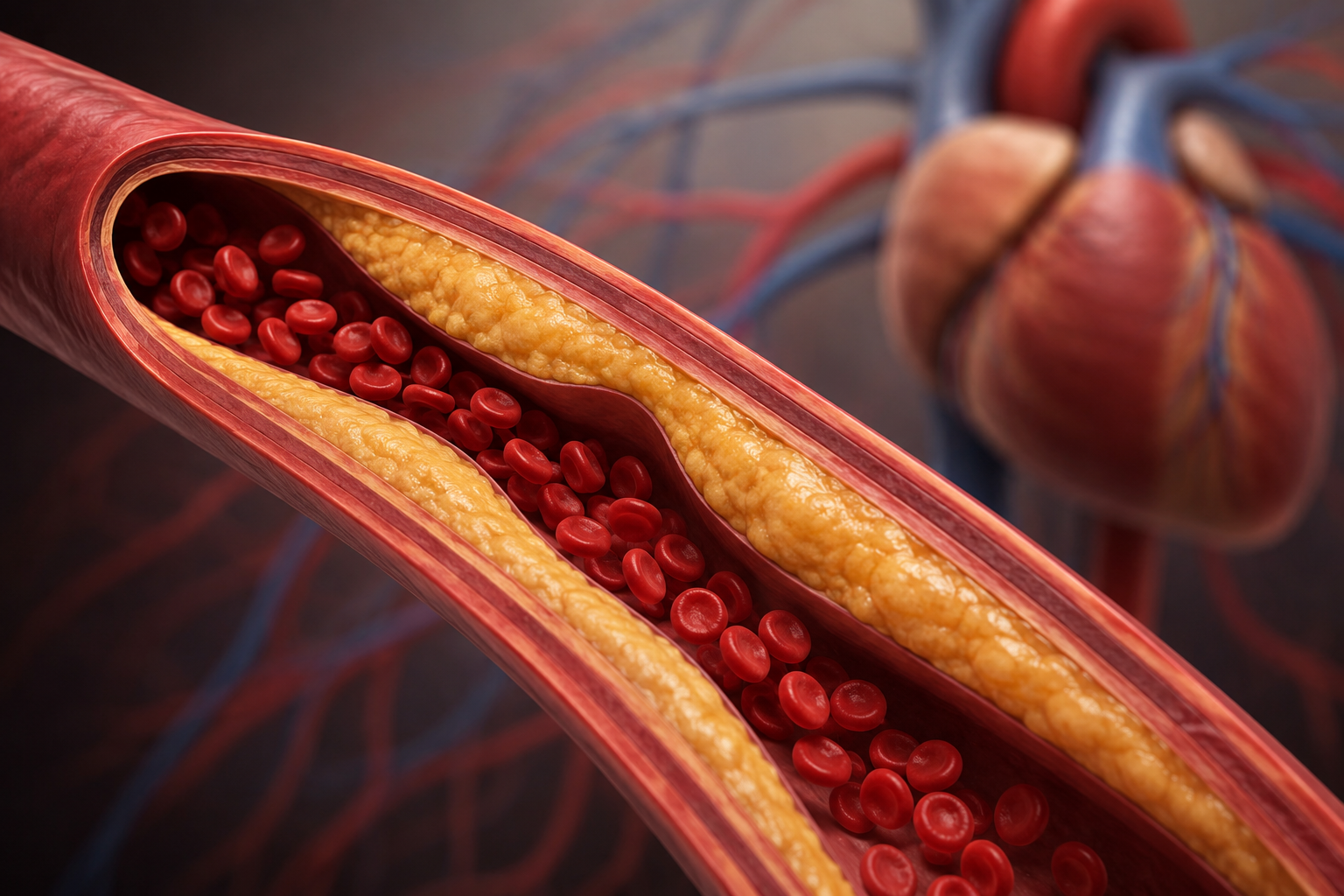
Cholesterol is a waxy, fat-like substance found in your blood and throughout your body. While cholesterol is necessary for producing hormones, vitamin D, and cell membranes, having too much of certain types of cholesterol can lead to plaque buildup inside your arteries.
Over time, plaque narrows and hardens the arteries, reducing blood flow and increasing the risk of serious cardiovascular complications.
Understanding your cholesterol levels is an important part of preventive healthcare and can help identify opportunities to improve your heart health before symptoms develop.
Understanding Your Cholesterol Numbers
A lipid panel measures several different types of cholesterol and fats in your blood.
Low-Density Lipoprotein (LDL)
Often referred to as “bad” cholesterol, LDL contributes to plaque buildup inside the arteries. Elevated LDL cholesterol increases the risk of heart attack, stroke, and peripheral artery disease.
High-Density Lipoprotein (HDL)
HDL is commonly known as “good” cholesterol because it helps remove excess cholesterol from the bloodstream and carries it back to the liver for processing. Higher HDL levels are generally associated with better cardiovascular health.
Triglycerides
Triglycerides are another type of fat found in the blood. High triglyceride levels may increase your risk of heart disease, particularly when combined with elevated LDL cholesterol, low HDL cholesterol, diabetes, or obesity.
Your provider will review your complete lipid profile and explain how each measurement contributes to your overall cardiovascular risk.
Why High Cholesterol Matters
Because high cholesterol rarely causes symptoms, many people are unaware they have it until routine blood work identifies elevated levels.
Left untreated, high cholesterol can contribute to:
- Coronary artery disease
- Heart attack
- Stroke
- Peripheral artery disease
- Carotid artery disease
- Reduced circulation
- Chronic cardiovascular disease
Managing cholesterol early helps slow or prevent plaque buildup and lowers the likelihood of future complications.
Risk Factors for High Cholesterol
Several factors can contribute to elevated cholesterol levels.
Common risk factors include:
- Family history of high cholesterol
- Increasing age
- Diet high in saturated and trans fats
- Physical inactivity
- Excess body weight
- Diabetes
- Smoking
- Excessive alcohol use
- Certain medical conditions
- Some prescription medications
While genetics play an important role, many lifestyle factors can be improved through healthy daily habits.
Cholesterol Screening and Diagnosis
Routine cholesterol screening is one of the most effective ways to detect elevated cholesterol before it causes damage.
Your provider may recommend cholesterol testing based on:
- Your age
- Family history
- Personal medical history
- Existing health conditions
- Cardiovascular risk factors
A simple blood test provides valuable information that helps guide treatment decisions and preventive care.
Personalized Cholesterol Management
Every patient’s health profile is different. At Wellbridge Health Center, we create individualized treatment plans that focus on improving cholesterol levels while reducing overall cardiovascular risk.
Your care plan may include:
- Regular cholesterol monitoring
- Heart-healthy nutrition counseling
- Weight management
- Physical activity recommendations
- Medication management when appropriate
- Blood pressure monitoring
- Diabetes management
- Ongoing preventive care
Rather than focusing on a single laboratory value, we evaluate your complete health picture to recommend the most appropriate treatment strategy.
Heart-Healthy Nutrition
Healthy eating is one of the most effective ways to improve cholesterol levels and support cardiovascular health.
Our providers encourage balanced eating habits that emphasize:
- Fresh fruits
- Vegetables
- Whole grains
- Beans and legumes
- Lean poultry
- Fish rich in omega-3 fatty acids
- Nuts and seeds
- Healthy oils such as olive oil
Limiting foods high in saturated fat, trans fat, added sugars, and highly processed ingredients can also support healthier cholesterol levels.
Instead of promoting restrictive diets, we focus on sustainable nutrition habits that fit your lifestyle.
Physical Activity Supports Heart Health
Regular exercise helps improve cholesterol while benefiting nearly every aspect of your health.
Routine physical activity can:
- Increase HDL (“good”) cholesterol
- Improve circulation
- Lower blood pressure
- Support weight management
- Improve blood sugar control
- Strengthen the heart
- Increase energy levels
Even moderate activity performed consistently can have a positive impact on cardiovascular health.
Your provider can recommend an exercise program based on your age, current fitness level, and any existing medical conditions.
Weight Management and Cholesterol
Maintaining a healthy weight often contributes to healthier cholesterol levels while reducing your risk of numerous chronic diseases.
Weight management may also help improve:
- Blood pressure
- Blood sugar
- Insulin resistance
- Joint health
- Sleep quality
- Overall cardiovascular health
Our team provides realistic guidance designed to support long-term success rather than temporary solutions.
Medication Management
For some patients, lifestyle changes alone are not enough to achieve healthy cholesterol levels. When appropriate, cholesterol-lowering medications may be recommended as part of a comprehensive treatment plan.
If medication is prescribed, your provider will:
- Explain how the medication works
- Discuss possible side effects
- Monitor your progress
- Order follow-up laboratory testing
- Adjust treatment if needed
Regular follow-up appointments help ensure your treatment remains safe and effective.
Managing Overall Cardiovascular Risk
High cholesterol often occurs alongside other health conditions that increase the risk of heart disease.
Our providers take a comprehensive approach by evaluating and managing related conditions such as:
- High blood pressure
- Diabetes
- Obesity
- Smoking
- Family history of cardiovascular disease
Addressing these risk factors together helps improve your overall heart health and reduce the likelihood of future complications.
Preventive Care for Lifelong Heart Health
Preventive healthcare plays an essential role in cholesterol management.
Routine wellness visits allow your provider to:
- Monitor cholesterol trends
- Evaluate cardiovascular risk
- Review medications
- Encourage healthy lifestyle habits
- Recommend appropriate screenings
- Detect health concerns early
By staying proactive, many patients can significantly reduce their risk of heart disease and stroke.
Why Choose Wellbridge Health Center?
At Wellbridge Health Center, we understand that managing high cholesterol involves more than reviewing laboratory results. We take the time to understand your medical history, lifestyle, family history, and personal health goals before developing an individualized care plan.
Our providers emphasize education, prevention, and evidence-based treatment to help patients make informed decisions about their cardiovascular health. Through regular monitoring, personalized guidance, and compassionate care, we partner with you to reduce your cardiovascular risk and improve your overall well-being.
Frequently Asked Questions
Does high cholesterol cause symptoms?
Most people with high cholesterol experience no symptoms. Routine blood testing is the best way to detect elevated cholesterol levels before complications develop.
How often should I have my cholesterol checked?
The recommended frequency depends on your age, health history, and cardiovascular risk factors. Your provider will recommend a screening schedule that’s appropriate for your individual needs.
Can healthy eating lower cholesterol?
Yes. A diet rich in vegetables, fruits, whole grains, lean proteins, and healthy fats while limiting saturated fats and highly processed foods can help improve cholesterol levels and support heart health.
Will I need medication?
Not everyone requires medication. Some patients successfully improve cholesterol through lifestyle changes alone, while others benefit from prescription therapy based on their cardiovascular risk and laboratory results.
Is exercise important for cholesterol management?
Absolutely. Regular physical activity can improve cholesterol levels, strengthen the heart, improve circulation, and reduce the risk of cardiovascular disease.
Why is managing cholesterol important if I feel healthy?
High cholesterol often causes no symptoms until significant plaque buildup has occurred. Managing cholesterol early helps reduce the risk of heart attack, stroke, and other cardiovascular complications before they develop.
Protect Your Heart with Personalized Cholesterol Management
Managing high cholesterol is one of the most effective ways to protect your heart and reduce your risk of future cardiovascular disease. Through regular monitoring, healthy lifestyle choices, and individualized medical care, you can take meaningful steps toward improving your long-term health.
At Wellbridge Health Center, our experienced providers are committed to helping you understand your cardiovascular risk and develop a personalized plan that supports lifelong wellness. Schedule an appointment today to take control of your cholesterol and invest in a healthier future.